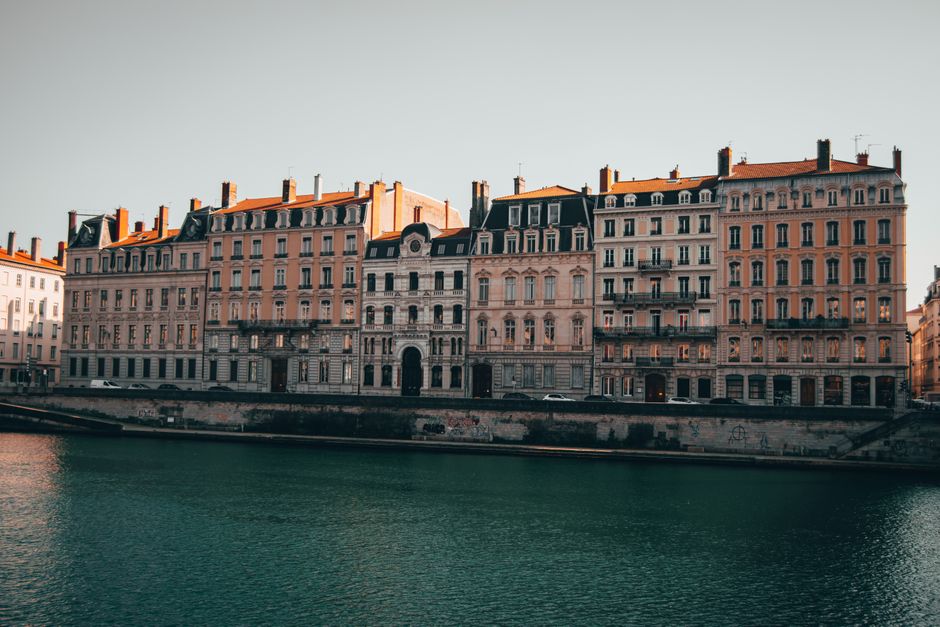
The train doors slide open, and France arrives all at once: the smell of espresso at the station café, a scatter of suitcase wheels on stone, the low gold of evening on pale façades. For many travelers, that first impression is not just of a country but of a city—and in France, cities are often the clearest way to understand the country’s many selves.
A city-based overview helps because France rewards contrast. Tourism in France
The five cities that shape a well-rounded France trip
Morning light changes the argument from one city to the next. In Paris, it lands on museum stone, river bridges, and café terraces, making the capital the natural choice for travelers who want the classic France of grand art and cinematic romance. If that is your first chapter,
What recent traveler chatter reveals
Across recent traveler forums and social posts, the pattern is less about novelty than about reassurance. Paris still dominates first-trip conversations because it delivers exactly what many visitors hope France will feel like: landmarks, museum density, and a romance that remains legible even through the crowds. That instinct is easy to understand. As the country’s capital and primary cultural center, Paris continues to anchor the national imagination, while France itself remains one of the world’s most visited destinations, giving the city a gravitational pull that few first-time travelers resist (
Choosing your French city mood
By the end of a France trip, what often stays with you is not a checklist but a feeling: lamplight on stone, a quiet gallery, a memorable meal, a riverbank or promenade at dusk. That is why choosing between Paris, Lyon, Nice, Bordeaux, and Toulouse is less about finding a single winner than deciding which version of France fits this trip.
If you want iconic art and the classic language of romance, Paris still makes an easy case. As the country’s capital and cultural center, it remains the city many travelers picture first when they think of
notes the pull of major urban destinations beyond the capital, with cities such as Lyon and Toulouse drawing millions of tourist arrivals and overnight stays. That matters for a first trip: choosing a base is less about finding the single “best” place than deciding which version of France you want closest at hand.
Paris, the capital and cultural center, still sets the classic mood of grand boulevards, museums, and cinematic romance, as outlined in France. But it is only one expression of the country. Lyon offers a more inward, culinary France, shaped by markets, bouchons, and a lived-in rhythm. Nice brings Mediterranean light and Riviera ease. Bordeaux folds elegant urban life into the wine country of the southwest. Toulouse, warmer in tone and often less mythologized abroad, introduces a youthful, southern energy rooted in Occitanie.
Taken together, these five cities offer a practical map of France’s regional variety: art and appetite, polish and sun, riverfront grandeur and rose-colored brick. Start with the cities, and the country becomes easier to read.
Paris
still earns its place: it is the country’s cultural center, and it suits anyone who wants major landmarks balanced with neighborhood wandering.
Lyon offers a different pleasure—more inward, more appetite-led. Travelers regularly single it out for serious food and easy walking, and that reputation feels deserved in the old lanes and market-minded rhythm of the city. Reddit traveler chatter repeatedly points to Lyon as a standout for food, history, and walkability, a useful shorthand for first-time planners choosing between French cities (Reddit discussion). Come here if meals are part of the itinerary, not just pauses within it.
Nice loosens the pace. The Mediterranean setting brings brightness, sea air, and the kind of ease that works well after heavier museum days. It suits travelers who want urban comfort without losing access to the Riviera; recent Facebook recommendations often branch quickly from Nice into nearby favorites like Villefranche-sur-Mer, Antibes, and Menton (traveler recommendations).
Bordeaux is for readers who want polish without Parisian scale. Its elegant streets, strong food-and-wine culture, and gateway position for vineyard country make it especially appealing for couples, design-minded travelers, and anyone after a composed city break. Social discussion also places Bordeaux among France’s most attractive urban choices, often praised simply for how beautiful and livable it feels (Reddit thread).
Then there is Toulouse: warmer in tone, younger in atmosphere, and shaped by both southern cooking and its aerospace identity. It works well for return visitors or travelers who want a city that feels less performed. If you are combining places, Paris with Lyon makes a classic art-and-food pairing; Nice and Bordeaux create a more leisurely south-and-west contrast; Toulouse fits best when you want energy, sun, and a slightly less expected finish.
What is more revealing, though, is how consistently peer recommendations broaden beyond Paris. In Reddit discussions about the best French cities, Lyon is praised again and again for being both serious about food and easy to experience on foot, a combination that matters to general travelers who want depth without friction (Reddit discussion). That social signal aligns neatly with Lyon’s strong tourism footprint, suggesting it is not a niche favorite but a widely proven second city for visitors (Tourism in France).
Bordeaux, Toulouse, and Nice appear in a slightly different register. They are usually not framed as substitutes for Paris so much as answers to more specific desires. Bordeaux is repeatedly described as beautiful and composed, the kind of place where elegance feels lived-in rather than staged (Reddit discussion). Toulouse tends to surface in conversations about livability and atmosphere, with a warmth that suggests regional character over monumentality (Reddit discussion). Nice, meanwhile, draws recommendations that quickly expand into the Riviera around it, implying that its appeal lies in light, sea, and access as much as in the city itself (Facebook travel recommendations).
Taken together, the chatter points to a useful editorial truth: Paris is the classic opening scene, but many travelers remember France most vividly when they choose the city that matches their pace.
). If your trip is led by food, Lyon stands out for turning meals into memory, pairing serious dining with old streets made for slow wandering. If you want sea air, brightness, and a gentler tempo, Nice offers Mediterranean light and the easy elegance many people associate with the South of France.
Bordeaux suits travelers who want romance with polish: graceful architecture, deep food-and-wine culture, and enough calm to make even a short stay feel composed. Toulouse offers another mood—warmer, less mythologized, and often appreciated for its livability, walkability, and relaxed rhythm. These are not fringe alternatives, either: Lyon and Toulouse both attract millions of tourist arrivals and overnight stays, a reminder of how established they are as city-break destinations in their own right (Tourism in France).
Taken together, these five cities make a reassuring point. Art does not belong only to Paris, food does not end at Lyon, and romance is not confined to one skyline or river. France offers those pleasures in different registers: Nice’s light, Bordeaux’s poise, Toulouse’s warmth, Parisian grandeur, and Lyonnaise tables built for a long evening.
So there is no single best city in France—only the one that matches your mood now. Choose the city that fits the trip you want, and leave room for the possibility that your first pick will simply lead you to the next one.