London for First-Time Visitors: An Editorial Guide to the City’s Icons, Culture and Table
An editorial introduction to London for first-time visitors, balancing iconic landmarks, culture, neighborhoods, and meals.
londonguided_tour
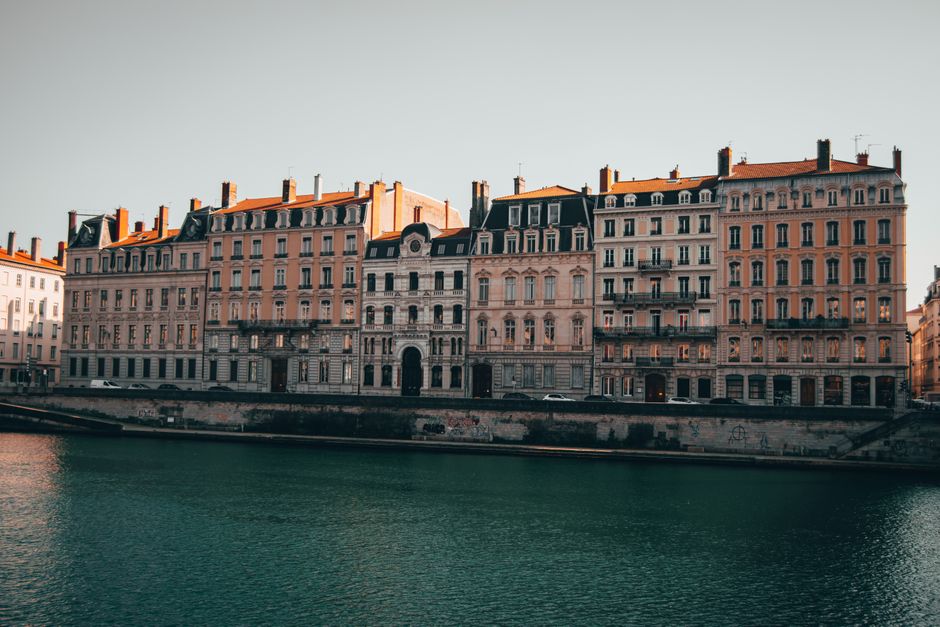
A first look at Barcelona as a city of stone facades, market counters, and Mediterranean light, all within easy reach for first-time visitors who want orientation without overload.

Barcelona often announces itself in fragments rather than a single grand reveal: pale stone in warm light, the sudden shade of a narrow lane, a trace of salt in the air when a street opens toward the water. As the capital of Catalonia and the largest city on Spain’s Mediterranean coast, it has the cultural weight of a major European city while still feeling manageable for a first visit (Simple English Wikipedia
Across recent traveler itineraries and recommendation threads, the pattern is strikingly consistent: first-time visitors rarely regret seeing Barcelona’s icons, but they do regret giving the entire trip over to them. The advice that surfaces again and again is to pair headline sights with slower neighborhood time—especially in El Born and Gràcia, where many visitors say the city begins to feel less like a checklist and more like a place.
In social itineraries built for first visits, El Born appears repeatedly as a natural extension of the old center: atmospheric but livelier at street level, with enough cafés, small lanes, and evening energy to make lingering feel productive rather than idle. Gràcia, meanwhile, is often framed as the corrective to an overpacked Gaudí day. Travelers fold it into routes after Passeig de Gràcia, not because it is “hidden,” but because it offers a different rhythm—local squares, slower meals, and a sense of residential Barcelona that many first-timers remember most.
Barcelona is at its most convincing when the day is allowed to loosen a little. The first visit many travelers imagine is often built around timed entries, mapped routes, and the pressure to “cover” a city that is, in fact, better received in intervals: a façade catching late light, a long lunch that quietly becomes the center of the afternoon, a walk that keeps going until the streets widen and the sea appears.
That rhythm suits Barcelona especially well. It is a Mediterranean capital and the largest city on Spain’s Mediterranean coast, but what matters more on a first trip is how easily its moods connect: old stone to Modernisme, market counter to neighborhood square, avenue to waterfront. Across recent first-timer itineraries and recommendation threads, the same pattern keeps surfacing: visitors are happiest when they book the essentials they care about most, then stop trying to choreograph every remaining hour. The city repays attention better than it rewards speed.
Based on: barcelona • architecture • guided_tour
A useful way to read the city is through three overlapping lenses. First, architecture: not only Gaudí, but a broader urban landscape of façades, plazas, and apartment blocks woven into daily life. Then food: market culture, late meals, vermouth hours, and neighborhood rhythms that matter as much as booked tables. Finally, the sea: beach life here is not separate from the city, but one of its defining edges, where urban energy meets the Mediterranean.
That mix is part of what makes Barcelona reassuring for first-time visitors. It is layered, but compact enough to understand in sections rather than all at once. You do not need to master it immediately. A few connected walks, a willingness to pause, and some advance planning for major sights are often enough to make the city feel less overwhelming and more legible (Barcelona Tourist Guide, What Barcelona).
From there, shift gears toward Gaudí and the Modernisme corridor, where the city opens out into grander facades and a more theatrical sense of design. Walking up Passeig de Gràcia links the medieval core to headline architecture naturally, with Casa Batlló and La Pedrera appearing as part of the street rather than isolated monuments. If Sagrada Família is on your first-trip list, book ahead; the city’s most in-demand Gaudí sights are far easier to enjoy with timed entry already in hand. This middle movement is a good place for a longer lunch rather than a rushed snack: sit down, order one more course than planned, and let the day breathe.
Then, when stone and ornament begin to feel full, head outward toward Barceloneta and the waterfront. Barcelona is Spain’s largest city on the Mediterranean coast, and first-time visitors often understand the whole place better once they see how quickly the streets release into open sky and sea Simple English Wikipedia. The walk can be the destination here: from the old city toward the marina, then along the promenade, with time for a late-afternoon pause rather than a packed agenda. If your first trip follows this rhythm—old quarter, Modernisme, water—you will see not everything, but the right things in the right order.
There is also a clear consensus around the sea. Even when beach time is not the trip’s main goal, Barceloneta keeps showing up as a reset button: a walk, a late lunch, an hour by the water, a break from stone and queues. That instinct makes sense in a city defined in part by its Mediterranean edge, as even basic orientation sources note (Barcelona on Wikipedia; Simple English overview).
The practical advice is just as consistent. Reserve major Gaudí attractions early—most notably Sagrada Família and Park Güell—and treat busy corridors like Las Ramblas as places to pass through attentively rather than drift through absentmindedly. Recent first-timer videos and social guides echo the same formula: combine the Gothic Quarter and El Born with Casa Batlló, La Pedrera, a Gràcia detour, and a pause by the sea, and Barcelona begins to feel proportioned correctly rather than overconsumed (4-day first-timer itinerary on TikTok; first-time tips video).
So if there is one useful principle to carry into your trip, let it be this: reserve the places that truly need reserving, especially major Gaudí sights, and leave the rest breathable. Barcelona’s own tourism guidance emphasizes planning support, walking routes, and advance organization for key visits, while broader seasonal guidance consistently points to spring through early summer or the warmer stretch from May to October as especially comfortable for combining architecture, food, and the shoreline (Turisme de Barcelona PDF; Zicasso best time to visit). In practice, that means protecting a few anchor moments and trusting the city with the spaces between them.
You may remember the Sagrada Família, of course, or the curve of a Gaudí balcony, or the first clear sightline to the water. But just as likely, what stays with you is smaller: the cool interior of a bar after the heat outside, the sound of cutlery and conversation spilling into a square, the relief of reaching Barceloneta at the right hour, when the edge of the city feels open rather than hurried.
For first-time visitors, that is the real promise of Barcelona. Not that everything fits neatly into a perfect plan, but that the city keeps arranging itself into a day that feels fuller than your itinerary. Leave with a few pages unfilled. Barcelona tends to do its best work there.