Top 5 Cities in France: An Editorial Guide to Art, Food, and Romance
Five cities, five distinct moods: a first look at the art, food, and romance that make urban France feel endlessly varied.
franceartguided_tour
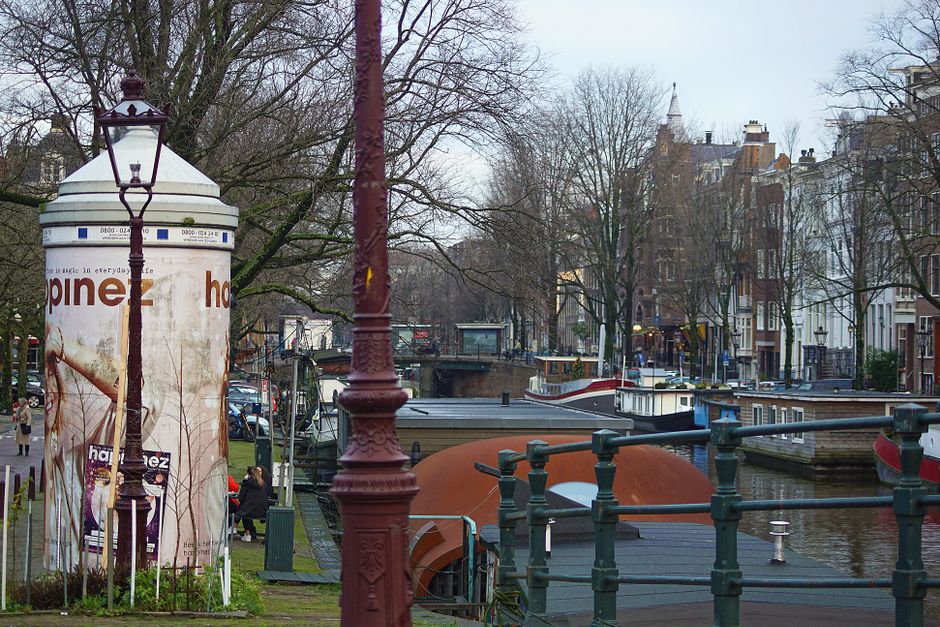
Soft light on canal water, bike bells somewhere down the street, and rows of narrow gabled houses leaning toward one another: Amsterdam often feels intimate on first arrival, yet layered with art, history, and quiet confidence.

Amsterdam makes its strongest first impression not through scale, but through pattern. The city feels compact because so much of it can be understood by its water: the canal ring shapes the historic center, bridges stitch neighborhoods together, and a short walk can shift the mood from polished museum quarter to quieter residential streets. As Amsterdam’s canal-centered core
Recent traveler conversation tends to circle back to the same Amsterdam qualities for a reason: it is beautiful in a way that reads instantly, but it also rewards a little structure. Short-form video keeps returning to the canal views, the slow sweep of bridges, and museum moments that feel unexpectedly intimate rather than grand for their own sake, a pattern echoed in community recommendations that place a sunset cruise, the Rijksmuseum, Jordaan, and the Nine Streets near the top of first-trip plans. That consistency matters for newcomers. It suggests that Amsterdam is not merely photogenic; it is legible.
Amsterdam is often most memorable in the moments between plans: a pause beside the canal, a quiet stretch inside a gallery, or a simple meal after a long walk.
Based on: amsterdam • guided_tour
A first impression of Lisbon shaped by light, steep streets, tiled facades, and the broad calm of the Tagus.
That is why Amsterdam rewards rhythm over checklist thinking. Instead of trying to "do" everything, let each neighborhood set the pace. Spend one stretch of the day moving along the canals and noticing how houseboats, merchant facades, and bike traffic create the city’s everyday texture. Give another to its museums, which are not side attractions but one of the main ways Amsterdam explains itself, from the national collection at the Rijksmuseum to the enduring pull of the Van Gogh Museum, both central to most first visits.
The third pillar is food, best approached as part of the city’s flow rather than as a separate agenda: a café pause, something warm from a bakery, an easy dinner after an afternoon by the water. Travelers often describe Amsterdam as having the intimacy of a small city with the cultural reach of a much larger one, a balance echoed in recent traveler impressions. On a first trip, that balance is the key: canals, museums, and meals, experienced neighborhood by neighborhood.
From there, anchor your museum time in Museumplein. The Rijksmuseum gives first-timers the broadest introduction to Dutch art and history, while the nearby Van Gogh Museum narrows the focus into one of the country’s most compelling artistic lives. Doing both on the same day can be rewarding, but only if you leave room to pause; Amsterdam is a city that dulls when over-scheduled.
Once you have seen its grand masterpieces, widen the frame again. Walk into the Jordaan for quieter canals and residential streets, then browse the independent shops and café-lined lanes of the Nine Streets, a pocket that many travelers quickly understand as part of Amsterdam’s everyday charm. If the weather is kind, continue south to Vondelpark, where a bench, a slow stroll, or an hour with no agenda can reset the day.
This is also the right moment to sit down properly. Build in time for Dutch treats between stops or an unhurried meal rather than grazing on the move; the city rewards lingering as much as seeing.
Practicality helps. Amsterdam is compact enough that much of a first visit works well on foot, and the tram network fills the gaps efficiently, with the city’s wider public transport system noted for strong coverage in current travel guidance. What surprises newcomers more is the pace of cycling life: bike lanes are purposeful, fast-moving spaces, so cross carefully, do not drift into them while checking a map, and treat them as part of the city’s real traffic.
The social evidence around food is telling too. TikTok clips and first-trip reels regularly pair museums and canals with small, satisfying indulgences—stroopwafels, fries, Indonesian rijsttafel, candlelit cafés—because Amsterdam’s pleasures tend to arrive in scenes, not just sights. Editorially, that rings true: the city is strongest when art, street life, and appetite overlap.
The usual concerns are real. Amsterdam can be expensive, and the central canal belt is busiest in peak season; some accommodation guides note that summer rooms book early and prices rise sharply. But first-timers do not need to “do Amsterdam” at maximum intensity. Pre-book headline museums, reserve one or two dinners, start early in the center, and let afternoons drift slightly outward into neighborhoods with more breathing room. The result is often the version of Amsterdam people remember best: visually rich, culturally serious, easy to navigate, and surprisingly humane in scale.