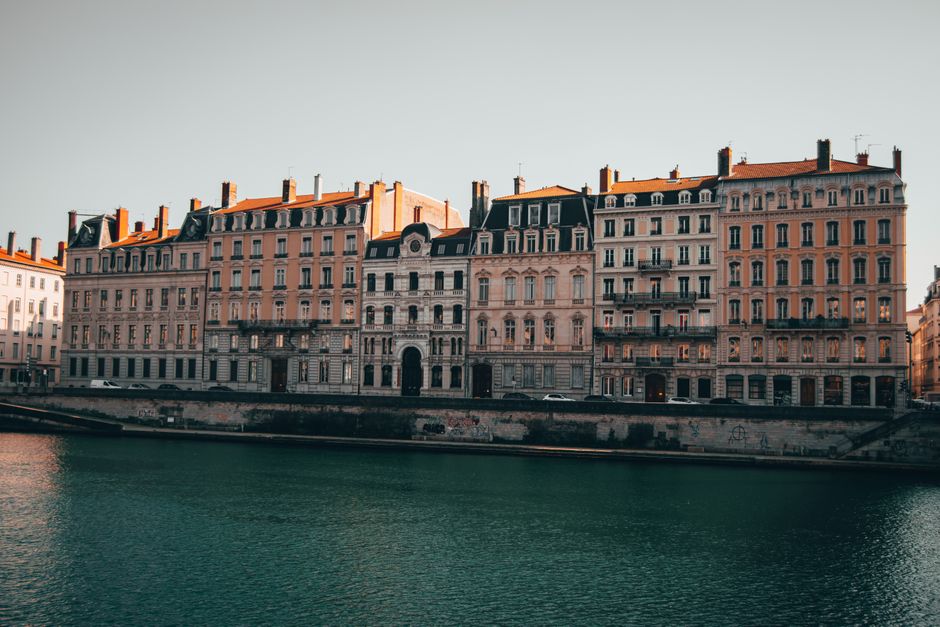
For a first visit, Paris reveals itself not only through icons but through atmosphere: pale morning light on stone façades, the Seine folding through the city, café terraces filling slowly, and a daily rhythm that makes history feel lived-in rather than distant.
At first, Paris can seem less like a city than a set of familiar images suddenly made real: the slate roofs after rain, the glow of bakery windows, the metallic rumble of the Metro under grand boulevards. The key for a first-time visitor is not to conquer it, but to read it slowly. Paris rewards attention more than speed.
Its historic center begins with the Seine and the Île de la Cité, where medieval Paris took shape and where Notre-Dame, begun in 1163, still anchors the city’s long civic and spiritual story, as outlined in Paris in the Middle Ages
Begin with the river and work outward. For a first visit, Paris makes the most sense when you follow its historic core: the Eiffel Tower for scale, the Louvre district for grandeur, Notre-Dame and the Île de la Cité for origin, the Seine for orientation, and Montmartre for the looser, more textured finish that helps the city feel lived in rather than staged.
Culture, Food, and the Unwritten Rules
Paris often feels most revealing not at a monument but in the pause before one: the hush of a museum stairwell, the rhythm of a café terrace, the orderly bakery line. For first-time visitors, confidence comes from understanding that the city’s culture is not only grand but deeply practiced.
That starts with museums. Paris has long been shaped by art and learning—its Left Bank grew around monasteries and schools, while the historic center on the Île de la Cité anchored royal and religious life, helping explain why culture here feels embedded rather than staged (
Leave Space for Paris to Surprise You
Paris rarely rewards the traveler who tries to finish it. It rewards the one who looks up while crossing a bridge, lingers over a coffee a little longer than planned, and lets one beautiful detail lead to the next.
For a first visit, that is more than enough. See a few essentials well: the Eiffel Tower for scale, the Louvre district for grandeur, Notre-Dame and the Île de la Cité for the city’s long historical center. Paris has been one of Europe’s major centers of art, commerce, and ideas for centuries, and the island at its core has shaped the city since the Middle Ages, when Notre-Dame began in 1163 and the Île de la Cité held both cathedral and royal power (
. From there, the city makes more sense when you think in two broad moods rather than a blur of arrondissements: the Left Bank and the Right Bank.
The Left Bank has long been associated with monasteries, universities, writers, and debate; the Right Bank with royal power, commerce, and, over time, fashion and spectacle. Those distinctions are not absolute now, but they still help first-time visitors understand why Saint-Germain feels different from the Marais, or why a museum morning and a long lunch belong to the same Parisian day.
Paris has been one of Europe’s major centers of art, science, finance, and fashion since the 17th century, as noted in the Outline of Paris. But the city is most legible at human scale: one neighborhood, one church, one market street, one museum, one café stop. See the icons, certainly—but leave room for conversation, people-watching, and hunger. In Paris, culture and food are not side notes to sightseeing; they are the way the city explains itself.
The Eiffel Tower is worth treating less as a box to tick than as a way to understand Parisian geography. Whether you go up or simply seek out the best views of it, this is where the city’s order becomes legible. From there, move toward the Louvre and the Tuileries, where monumental Paris is at its most polished. If you want to enter the museum itself, book ahead; first-timers often underestimate how much time the Louvre can absorb, and advance tickets reduce the friction of a long day. The same logic applies to the tower and to cruises on the Seine.
Then cross toward the city’s oldest heart. The Île de la Cité became the site of the royal palace and Notre-Dame, begun in 1163, which is one reason this small island still feels so central to Paris’s story today (Paris in the Middle Ages). Around it, the river does practical work for visitors: a walk along the quays, or an evening boat cruise, helps stitch together the city’s landmarks without rushing between them.
For your base, choose central neighborhoods that let you move easily between both banks: the 4th, 5th, and 6th arrondissements are repeatedly recommended for first-timers because they keep major sights, restaurants, and Metro links within easy reach (Bon Traveler; Adventures by Lana). Finally, leave room for Montmartre. Its steep lanes and hilltop views offer a useful last perspective: after the icons and institutions, Paris resolves into neighborhoods. If you can read a Metro map with calm confidence and reserve the headline sights in advance, the city becomes far less intimidating—and much more generous.
). In practical terms, that means booking major museums ahead, going early or late when possible, and choosing a few galleries to experience well instead of rushing through everything. First-time itineraries and travel videos often return to the same point: Paris rewards pacing more than volume.
The same goes for food. Breakfast is often simple—coffee, a croissant, maybe a tartine—but the ritual matters. Greet staff, linger a little, and notice that cafés are as much about watching the street as eating. Many visitors make the city harder than it is by dining too close to major sights, too quickly, or without reservation plans. Better to treat pastries as a daily pleasure and dinner as part of the evening’s shape.
Etiquette is mostly about flow: say bonjour before a question, don’t stop suddenly in the middle of the sidewalk, and keep your voice lower than you might elsewhere—advice echoed in this Reddit thread. Paris gets easier once you stop trying to conquer it and start moving with it.
). Those facts matter not as trivia, but because they help explain why even a simple walk here can feel unusually layered.
Then give the city room to become personal. Let one museum hour turn into an afternoon. Let one pastry stop become the meal you remember. If you take a Seine cruise, enjoy it for what so many first-time visitors do: not efficiency, but perspective—the city’s facades, bridges, and monuments briefly arranged into one flowing scene. If you climb toward Montmartre, go knowing that the reward is not only the view, but the shift in mood along the way.
Practical confidence helps. Book major museums ahead when you can. Keep moving with the rhythm of the pavement. Choose one neighborhood for dinner instead of crossing the city in search of the “best” table. Trust walking, and trust the Metro when your feet need a break. Much of central Paris rewards exactly this balance of intention and drift, a point echoed in first-timer neighborhood guides that emphasize how walkable and well connected the center is (Bon Traveler).
The most reassuring truth is that your first trip to Paris does not need to be definitive to be deeply satisfying. A few iconic sights, a few memorable meals, and time to walk will give you something better than a completed list: a real first impression. Leave with a little unfinished. Paris is one of those rare cities where that feeling does not read as failure. It reads as an invitation to return.