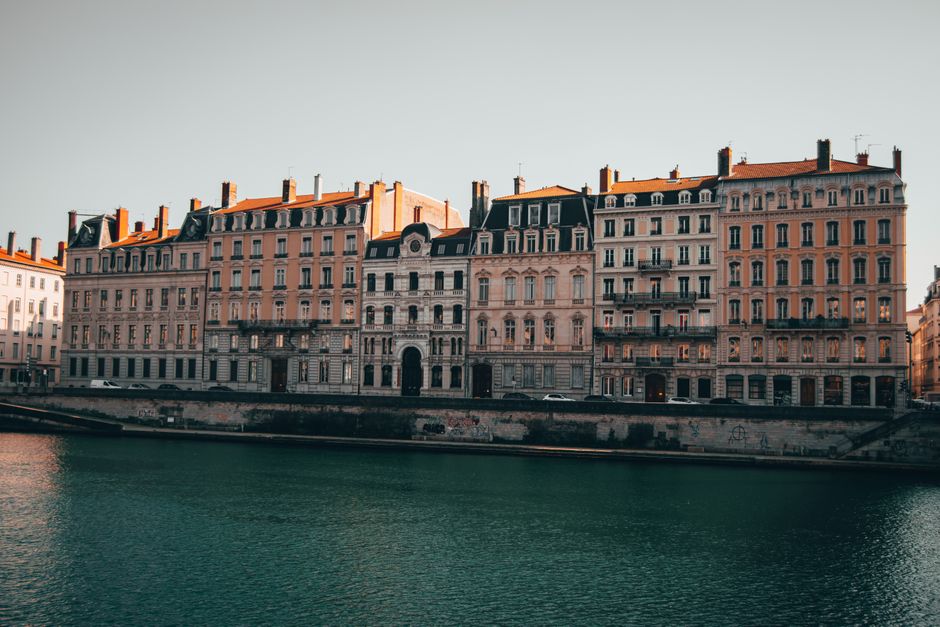
An editorial opening to Paris through river light, café ritual and landmark scale, with the reassurance that the city quickly becomes legible once you read it by neighborhood and mood.
At the edge of the Seine, Paris starts to make sense: stone embankments, green bookstalls, the flash of bridges, and a skyline where church towers, domes, and zinc rooftops seem to answer one another across the water. For a first-time visitor, that is the simplest way to read the city. Start with the river, then work outward.
Much of what newcomers come to see sits in or near the central arrondissements, especially the 1st through 7th, where the Louvre, Notre-Dame, Musée d’Orsay, and the Eiffel Tower fall into a surprisingly legible geography along the Seine. As
The Paris Essentials: Where the Icons, Culture and Food Naturally Meet
The clearest first introduction to Paris comes when you stop trying to ‘do the city’ and instead move through a few neighborhoods that explain it. Begin in the 7th, where the Eiffel Tower supplies the expected grandeur, but the area makes more sense when paired with quieter museum time at the Musée d’Orsay or the Rodin Museum and a walk back toward the Seine. This is one of the easiest parts of Paris to read on foot: broad avenues, formal façades, and river views that keep you oriented.
What First-Time Visitors Get Right in Paris
By the second day, many first-time visitors make the same useful discovery: Paris is easiest to love when you stop treating it as a race between monuments. The most grounded advice, echoed across local guides and traveler communities, is surprisingly simple. If your time is short, stay central; if your days feel overfilled, let the Seine do the organizing; if every museum looks essential, choose one or two and give them real time.
That approach fits the city as it is. Much of what newcomers most want to see lies in or near the central arrondissements and along the river, a point noted by
A First Paris Trip That Feels Like Paris
Paris is most memorable on a first visit when you stop trying to conquer it and start noticing its rhythm: an early museum hour before the galleries thicken, a buttery bakery stop between neighborhoods, a bridge crossed for no reason except the light, and one view at dusk that stays with you long after the trip ends. Much of what first-time travelers find easiest is also what seasoned guides keep repeating: stay central if time is short, let the Seine orient you, and build your days around a few anchors rather than a maximalist checklist, as noted by CN Traveller
, many of Paris’s major sights cluster along the river and in the central districts, which is exactly why trying to “do all of Paris” at once is the wrong instinct.
Instead, think in neighborhoods. Give the Marais its own mood of small streets and historic façades; let Saint-Germain-des-Prés be about cafés, galleries, and a slower Left Bank rhythm; understand the 7th as the district of grand monuments and museum afternoons. This is also how Paris balances its pleasures best: culture in one hand, food in the other, with iconic sights never far away. A museum visit can lead naturally into a market street, a pastry stop, or a long lunch rather than another forced march across town.
Paris rewards concentration, not conquest. Read it quarter by quarter, river first, appetite intact.
From there, the Louvre-Tuileries axis gives you the monumental Paris most first-timers come for, but it works best with restraint. Give the Louvre a defined window rather than a heroic full day, then recover in the Jardin des Tuileries, continuing west or back into the historic center. Several guides note that many of Paris’s essential sights sit along the Seine and within the central arrondissements, which is why this stretch feels so efficient for a short first visit.
Around Notre-Dame, the mood shifts from ceremonial to intimate. Even with the cathedral as a headline sight, the more memorable first-time experience is often the crossing onto Île Saint-Louis, where the streets narrow, the pace softens, and lunch or a coffee feels less performative than it does on the busiest squares. That principle holds across Paris: admire the famous places, but eat a block or two away from them.
Saint-Germain-des-Prés is where newcomers often recognize the Paris they had imagined — café terraces, bookish streets, polished shopfronts, and a lived-in Left Bank elegance. Come here after a museum rather than before one, when sitting still feels earned. Then save Montmartre for a different register altogether: steeper lanes, village irregularity, and some of the city’s best views. Go early or toward evening, and step off the most crowded approaches to Sacré-Cœur whenever you can.
Put together, these areas create a first Paris that feels balanced: icons, yes, but also time to look, walk, and eat well without spending the whole trip in queues.
and reflected in repeated neighborhood advice that favors the single-digit arrondissements for a first stay, whether around Saint-Germain, the Marais, or the Louvre-Tuileries side of the center. Communities discussing first trips tend to agree on the mistake to avoid: spending too much energy crossing the city back and forth, then arriving at dinner tired enough to treat food as an afterthought.
Paris rewards a steadier rhythm. Book the Louvre or Musée d’Orsay in advance, then resist adding three more major institutions just because they fit on paper. Leave a pocket of time for a river cruise, or simply an evening walk when the bridges, façades, and café lights begin to soften. Social itineraries return to this again and again not because it is trendy, but because it works.
The same is true of eating well here. Instead of building a separate culinary mission, fold food into the shape of the day: a morning pastry, a lingering lunch, a pause for wine or coffee, a bistro dinner somewhere a street or two away from the busiest sightline. First-timers often get Paris most right when they understand that its culture is not only in museums and monuments, but in how the hours are spent between them.
That is the confidence Paris quietly gives back. The city’s most famous sights do matter, but usually in relation to everything around them. The Louvre feels richer if it is followed by air and symmetry in the Tuileries. The Eiffel Tower lands differently when you have walked ordinary streets beforehand and arrived with the city already under your skin. Notre-Dame, the bridges, Saint-Germain café terraces, a bistro corner on Île Saint-Louis, a late climb in Montmartre: these are not competing attractions so much as parts of one conversation.
For a first trip, that means giving yourself permission to edit. Book the museum you care about most. Choose neighborhoods that connect naturally on foot or by a short Métro ride. Leave room for lunch to run long, for a second coffee, for the kind of detour that leads to a market street or a small square you never planned to find. Paris rewards that looseness. Community advice and local-oriented guides alike tend to agree that visitors enjoy the city more when they resist eating every meal in the shadow of a monument and step one or two streets away instead, where the mood softens and the day feels more lived-in.
If you remember only one principle, let it be this: Paris is not a city you finish. It is a city you learn to read. On a first visit, success is not measured by how many icons you checked off, but by whether the place began to feel legible—whether the river helped you navigate, whether the food punctuated the day beautifully, whether dusk found you somewhere worth standing still. If that happens, then your first Paris trip has done exactly what it should: it has made you feel oriented, unhurried, and ready to come back.