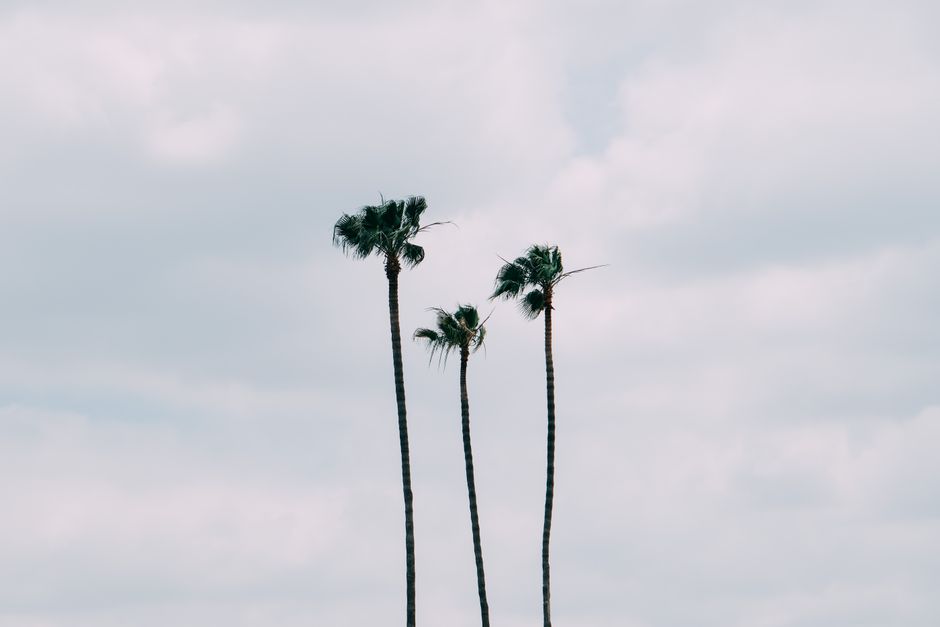
If Los Angeles first asks you to think in neighborhoods rather than monuments, this is where that idea becomes useful. A first trip usually settles into three rhythms: the coast, the table, and the view. Taken together, they explain more about the city than an overpacked checklist ever could.
The Los Angeles Mindset: Why the City Clicks Once You Slow Down
By the second afternoon, Los Angeles often stops feeling like a problem to solve and starts reading like a place to inhabit. That shift matters. First-time visitors regularly mention the same early friction in social posts: the stress of transport, the mental distance between neighborhoods, the suspicion that they are somehow doing the city wrong. Yet the more persuasive pattern is what comes next. One widely shared first-day suggestion is to begin at Griffith Observatory
A Confident First Take on LA
You do not need to conquer Los Angeles to enjoy it well. For a first visit, the wiser approach is smaller and more generous: choose a few neighborhoods that suit your mood, let one long lunch turn into the afternoon, and leave room for the kind of ocean air that resets the pace of the day.
Part of LA’s scale is literal—the city covers about 460 square miles—but what matters more on the ground is that its appeal arrives in pieces rather than all at once. A strong first trip rarely comes from trying to stitch together every famous address. It comes from understanding that Santa Monica feels different from West Hollywood, that a meal can be as revealing as a museum, and that the city often makes its best impression in the hour between one plan and the next. That resident texture is part of what many travelers eventually respond to, and it helps explain why LA can feel more rewarding when you stop measuring it by monument-count alone.
—and, more importantly for a first visit, it unfolds through neighborhoods with their own rhythms, loyalties, and moods. This is the commercial, financial, and cultural center of Southern California, but it rarely presents itself in one neat sweep; it arrives district by district, from the coast to the hills to the older urban core.
That scale is the first truth to accept. The second is more useful: you do not need to conquer Los Angeles to enjoy it. In fact, trying to do everything is usually the fastest way to flatten the city into traffic, long drives, and scattered impressions. A better approach is selective planning—choose two or three zones that suit the trip you want, and let the days breathe inside them. Santa Monica and Venice create one kind of first-time LA; Hollywood, Los Feliz, and Griffith Observatory another; Downtown and the Eastside another again.
This is why so many seasoned visitors describe LA as a city best understood through lived-in pockets rather than headline sights alone, a point echoed in Nomadic Matt’s overview of Los Angeles. Arrive with a loose map, not an impossible checklist, and the city begins to read clearly: expansive, fragmented, stylish, and far more coherent once you stop asking it to be all one thing at once.
For the clearest beach introduction, start west. Santa Monica and Venice give first-time visitors two sides of the same Pacific-facing mood, close enough to pair in one outing but distinct in feel. Santa Monica is the more polished beginning: broad sand, an easy-to-read waterfront, and the familiar pleasure of the pier and bike path. Venice, just south, is looser and more idiosyncratic, where the boardwalk’s performance and people-watching turn the shoreline into part beach day, part street theatre. Lonely Planet notes that these iconic districts sit along the stretch of coast that defines SoCal beach life for many visitors (
). For a newcomer, that matters: this is the version of LA’s coast that is immediately legible.
Then come meals, which is often when the city stops feeling abstract. Los Angeles reveals itself neighborhood by neighborhood through dinner plans, late reservations, and the decision to stay out for one more drink. West Hollywood is especially useful on a first visit because it delivers atmosphere as clearly as food: a polished room, a good terrace, a crowded bar, the sense that evening here is part social ritual, part spectator sport. But the larger lesson is broader than WeHo alone. In LA, dining districts are often how you learn where you are.
To pull it all into focus, go uphill. Griffith Observatory is less important as a single sight than as a way of reading the city in one sweep: basin, hills, distance, neighborhoods, ambition. Los Angeles covers roughly 460 square miles, and that scale becomes intuitive from above. Seen after a morning at the beach and an evening out, the view clarifies the city’s everyday glamour: not just red carpets and fantasy, but sunlight, sprawl, appetite, and the practiced art of shaping a day around where you want to be.
, where the scale of Los Angeles becomes visible at once: a basin of streets, hills, palms, and light large enough to resist any single-center itinerary.
That view explains why LA rewards a looser method. The city covers roughly 460 square miles, and trying to conquer it in one sweep usually produces the version people complain about most: too much time in transit, too little sense of place. Social commentary around first trips often circles exactly that transportation stress, including the familiar question of whether taxis are worth avoiding the strain of driving and parking on day one (example). The reassuring answer is that you do not need to master all of LA; you need to choose a pocket and let it unfold.
This is where the city’s pleasures become coherent. A coast day in Santa Monica or Venice is not just beach time; it is an introduction to LA’s outdoor ease, where movement slows to bike pace and the air does some of the work for you. A food-focused evening in West Hollywood or another nearby neighborhood makes equal sense because Los Angeles is best understood through local scenes rather than grand set pieces, a point echoed in Nomadic Matt’s guide. Slow down, group your days geographically, and the everyday glamour begins to reveal itself: not only in views and restaurants, but in the way the city suddenly feels legible.
So give yourself permission to be selective. Pick the coast and one inland neighborhood. Pick a market, a dinner reservation, a viewpoint, and an unhurried morning. If you have time for more, add it then. If not, you will still have met something real: not a city “completed,” but a city sensed properly.
This is also why timing matters. Summer brings the classic beach energy many visitors want, especially around Santa Monica and Venice, but it also brings bigger crowds; spring and fall can be easier if you want gentler temperatures and less pressure on your days. A practical read on that balance is Lonely Planet’s guide to the best time to visit Los Angeles.
For first-time visitors, that may be the most useful final reassurance: Los Angeles does not ask for mastery. It asks for attention. Follow the light to the water, stay longer at the table than you planned, and let a few neighborhoods tell you who the city is. The landmarks will still be there. What tends to stay with you, though, is the atmosphere around them.