
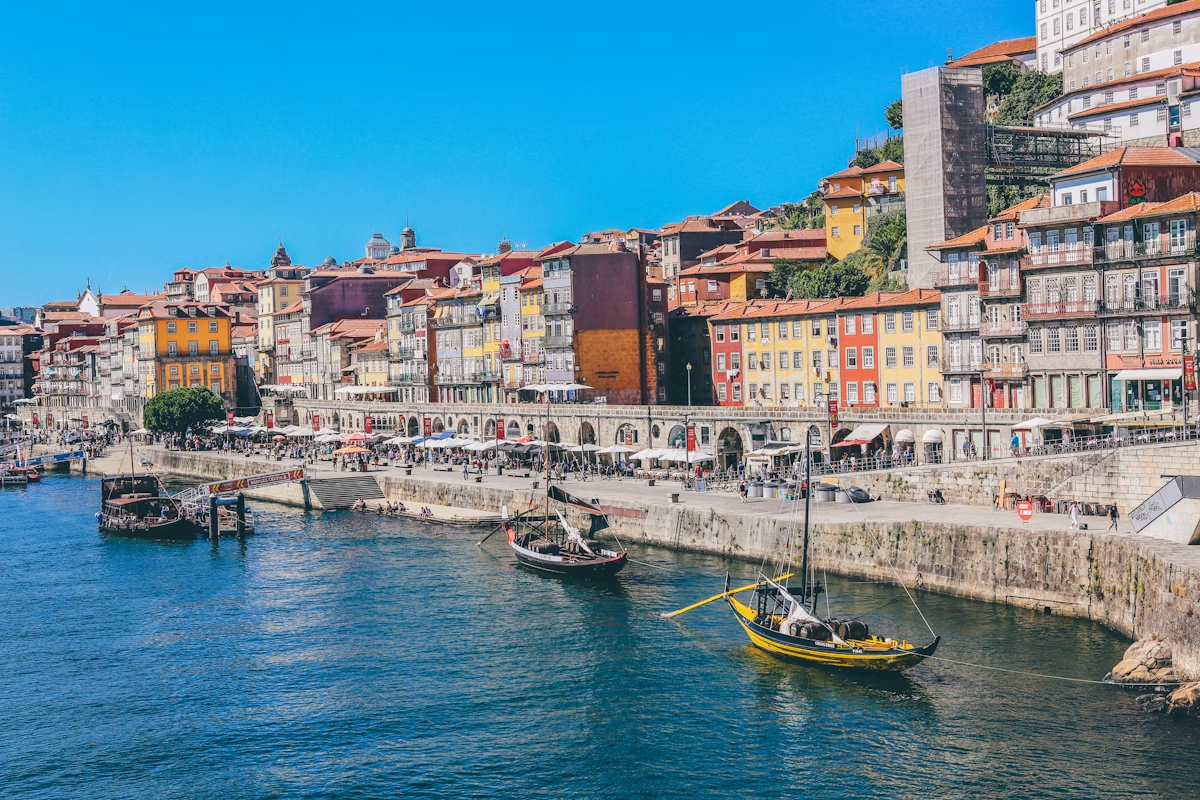
4 Days in Porto
Why Porto, and what to expect? Porto, Portugal's atmospheric second city, is a place where riverbank charm meets culinary intensity and centuries of history collide with a modern, creative energy.
porto
A romantic hero section for couples drawn to culture, food, and history at dusk.
Step into Lisbon in a quieter hour and the city quickly feels approachable. Its hills and the Tagus shape a center where neighborhoods feel distinct yet close together, giving first-time visitors a sense of variety without overwhelming them (Wheatless Wanderlust
Begin in Alfama, where Lisbon still feels most medieval: steep lanes, worn stone steps, laundry above the street, and sudden flashes of tile and river light. This is the city before the 1755 earthquake remade much of its lower center, so walking here together gives you Lisbon’s older texture first. Let yourselves move slowly toward a miradouro rather than treating the district like a checklist; even a short pause over the rooftops changes the pace of the day. From there, drift down into Baixa, the orderly downtown rebuilt after the earthquake in a rational grid that feels striking after Alfama’s maze. That contrast—intimate uphill streets, then broad rectilinear avenues—is one of the clearest ways to understand the city as you walk it.
Right now, the most convincing case for Lisbon as a city for two is not in grand gestures but in the way certain neighborhoods keep appearing in current local and traveler recommendations: Chiado for unhurried café mornings, Alfama for late-afternoon wandering, and the miradouros when the light turns the river silver. Social posts and recent itinerary coverage repeatedly circle back to the same rhythm—coffee first, a slow uphill walk, a viewpoint at sunset, then dinner somewhere with enough character to feel specific to Lisbon.
Lisbon is best left with a little unfinished.
That is part of the city’s appeal: even with a tight plan, it keeps inviting detours. You might set out for a final miradouro, a last tram ride, or one more pastry, then end up lingering in a tiled courtyard, following the sound of live music down a side street, or watching late light spread over the Tagus. The city’s character lives as much in those in-between moments as in the big sights.
A good Lisbon trip often balances the obvious with the incidental. Yes, the famous hills, viewpoints, and layered neighborhoods matter. So do the design details that give the city its texture, from patterned calçada underfoot to façades shaped by centuries of
Based on: portugal • culture • guided tour
That compact layout is part of Lisbon’s appeal for couples. Alfama offers the oldest, most atmospheric streets; Baixa brings a more orderly downtown; Chiado adds cafés and elegance; and Bairro Alto takes on a different energy later in the day. Together, they create a city that rewards wandering without requiring much effort to understand.
Lisbon’s romance also comes from its texture. Decorative tiles and the layered visual language of Portuguese architecture give the city a strong sense of place, while daily pleasures make time together feel easy: pastries on your feet, seafood lunches, wine at dusk, and dinners that stretch late without becoming too formal.
It is a capital with history in every direction, but it rarely feels severe. That balance of beauty, depth, and ease is what makes Lisbon work so well for a romantic escape.
By late morning, continue into Chiado, where bookshops, cafés, and facades with wrought-iron balconies make room for a more polished rhythm. It is a good neighborhood for lingering over coffee or a light lunch before climbing again. Nearby viewpoints and terraces help keep the day balanced; Wheatless Wanderlust’s overview is useful for understanding how Lisbon’s hills and central districts fit together, while Julie Dawn Fox’s local guide to Chiado and Baixa captures why these adjoining areas work so well for a first stay.
As afternoon softens, make your way toward Bairro Alto for another look across the city, then save dinner for the hours when Lisbon naturally slows. In this part of town, it makes sense to stretch a meal: small plates, wine, conversation, then a gradual transition into the evening rather than a rushed reservation. On another half-day, follow the river west to Belém, where the mood opens up. The waterfront walk feels spacious after the old quarters, and the monumental Manueline detail of Jerónimos Monastery adds a different chapter of Portuguese history to the trip. If you want a practical framework for linking Alfama, central Lisbon, and Belém without overpacking the day, Go Ask A Local’s itinerary is a grounded reference. For couples, that is the real trick in Lisbon: alternate hills with pauses, monuments with views, and culture with meals long enough to remember.
From there, let the day loosen in Alfama. The enduring appeal here is still simple: tiled lanes, abrupt little belvederes, and the feeling that you have stepped into Lisbon’s oldest, most intimate scale. Recent social guides continue to highlight Rua de São Tomé and the miradouros as places where couples naturally pause rather than rush on (TikTok guide). For a meal, choose somewhere with personality over polish; places gaining affectionate repeat mentions, like Lisbon Tu e Eu in Alfama, suggest that warmth, generosity, and atmosphere are what people remember most (TikTok review).
If you want the classic Lisbon pairing to still work, it does: a sunset viewpoint, a short walk through tiled streets, then fado somewhere nearby. Not because it is obligatory, but because in neighborhoods like Alfama, music, stone, and evening light still belong together.
This is also why many travelers leave feeling they have more to return for. One day is enough to get oriented; two or three days let you slow down and notice the rhythm a bit more, as many sample itineraries suggest, whether you are planning one day in Lisbon, a 2-day Lisbon itinerary, or a longer stay with neighborhood choices shaped by where to stay in Lisbon.
So if you are wrapping up your plans, leave some space unclaimed. Don’t schedule every hour. Keep an extra café stop, a sunset viewpoint, or an aimless walk available. Lisbon rewards structure, but it rewards curiosity even more. The best ending is not to feel finished with the city—it is to leave already imagining what you missed, and what you will do differently next time.