
Berlin for First-Time Visitors: An Editorial Guide to History, Culture, and Food
A calm editorial snapshot of Berlin for first-time visitors, where monumental history, creative street life, and everyday ritual coexist.
berlincultureguided tour
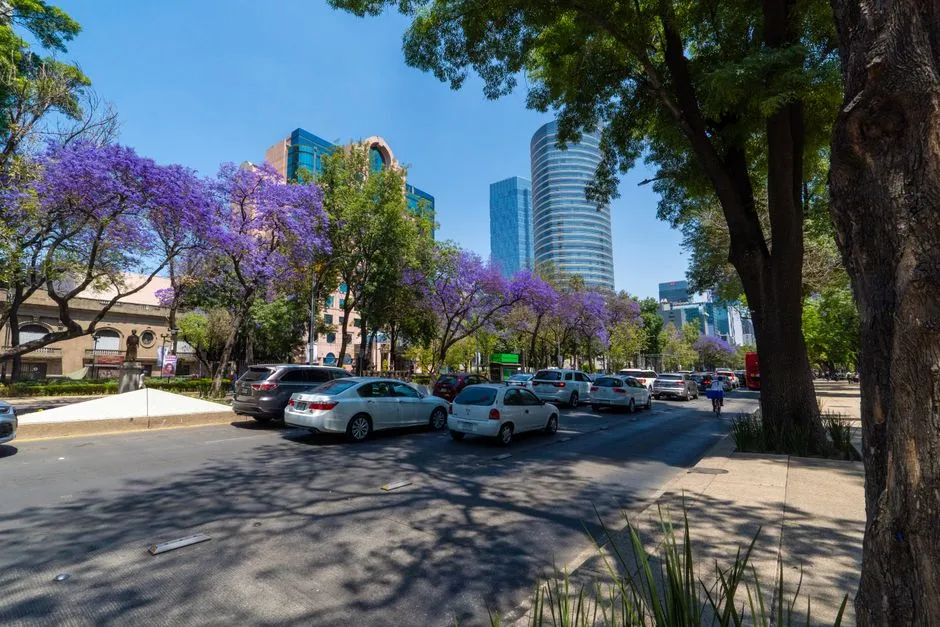
A calm first look at a city of jacaranda shade, church bells, tortilla smoke, and layered history, designed for first-time visitors who want confidence without overplanning.

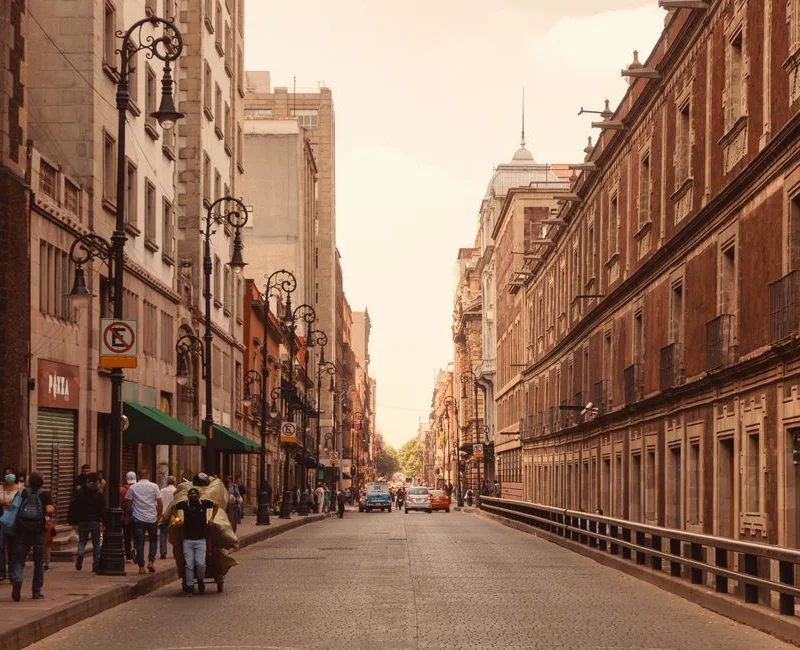
Mexico City is easiest to understand as layers rather than sprawl. What is now the Historic Center began as Tenochtitlan, the Mexica capital built on an island in Lake Texcoco; after the Spanish conquest, colonial power rose directly over those foundations, which is why the city still feels so visibly stacked in stone, street plan, and ritual. In the center, that long story is concentrated: grand civic spaces, churches, traces of the pre-Hispanic city, and the sense that history here is not tucked into a museum but built into the pavement.
For a first visit, though, the key is not to chase completeness. Mexico City works better when you read it by neighboring moods. Start with Centro Histórico for political and historical scale, then move west toward Chapultepec and Reforma for museums and the city’s monumental modern axis. Balance that with Roma and Condesa, where early-20th-century planning, tree-lined avenues, cafés, and everyday street life make the capital feel legible at walking pace. If you want a third layer, go south to Coyoacán, whose older plaza rhythm and cultural life offer a softer counterpoint, a contrast many first-timers build into short itineraries (Capitalia
That is the useful mental map: ancient foundations, colonial core, modern boulevards, residential districts with distinct personalities. Try to cover everything and the city blurs. Choose a few complementary areas, and its logic begins to reveal itself.
The clearest first impression of Mexico City comes when you let its major districts explain one another instead of treating them as separate highlights. In the Centro Histórico, the city announces its civic scale all at once: the Zócalo, cathedral, government buildings, and the dense sensation of a capital that has been reorganizing itself for centuries. Just beside that monumental surface, the remains of Templo Mayor bring the older city back into view, a reminder that present-day Mexico City still sits over the ceremonial core of Mexico-Tenochtitlan. For a first-time visitor, this is less about checking off a ruin than about understanding the city’s original ground.
From there, Chapultepec
Then the mood shifts. Coyoacán
Finally, Xochimilco
In practice, many first-time visitors seem to understand Mexico City through cadence as much as through monuments: coffee first, then a long walk, then something vivid to eat, then a museum that quietly resets the day. Social itineraries and travel guides keep circling back to the same pattern. Roma Norte is where many travelers begin slowly, with pastries, specialty coffee, and an unhurried neighborhood stroll; even short-form first-day videos frame Roma and Condesa as places to settle your nerves before tackling bigger landmarks, while broader itineraries repeatedly pair those mornings with Chapultepec or a museum afternoon (Bon Traveler, TikTok example, TikTok itinerary).
Coyoacán appears in much the same way, but with a more old-quarter rhythm: plazas, market browsing, lunch, then cultural time. Travel sources regularly point first-timers toward lunch at Mercado de Coyoacán before moving on to museums or Xochimilco, and video coverage of the neighborhood emphasizes exactly what newcomers respond to there: color, street life, artisan detail, and the ease of lingering without feeling you are missing the city’s “main” story (Capitalia
That same evidence is useful for confidence. A first visit generally goes better when you choose one or two anchor experiences a day—a major museum, the Centro, Coyoacán, Chapultepec—then leave room for tacos, a café stop, or simply the next shaded street. Mexico City rewards that lighter structure. Practical routing helps too: Line 1 and Line 2 of the Metro, along with Metrobus corridors, connect much of the classic visitor geography, including Roma-adjacent stops, the historic center, and routes south toward Coyoacán (metro overview
You do not need to conquer Mexico City to understand it. For a first visit, it is enough to let a few clear encounters settle into one another: the scale of the historic core, built over the site of Tenochtitlan; the quieter intelligence of neighborhoods such as Coyoacán, Roma, or Condesa; the way a meal can explain local rhythm more vividly than a timetable. This is a city whose meaning arrives through contrast, not completion.
That is partly historical. Mexico City carries the visible weight of empire, conquest, religion, and civic ambition, but it also keeps revealing itself in smaller registers: a shaded plaza, a bakery queue, a market lunch, a long museum afternoon that leaves you walking more slowly afterward. Even the places first-time visitors most often gravitate toward tend to confirm this layered experience rather than simplify it. The former island capital at its center became the colonial and then modern metropolis described in the city’s broader history
That is why the most satisfying first trip is usually not the most exhaustive one. Travelers consistently build their days around a few strong anchors — Centro Histórico, Chapultepec, Coyoacán, Roma Norte, perhaps Xochimilco’s canals — and leave room for appetite, weather, and curiosity to shape the hours in between. That rhythm shows up again and again in first-timer itineraries and local-facing travel guidance, whether in suggestions to pair the center with leafy western districts or to let lunch in Coyoacán and time on the canals share the same day without overfilling it (Capitalia
If Mexico City stays with you — and for many visitors it does — it is often because memory here is assembled from different scales of experience at once. You remember the monumental spaces, certainly, but also the intimate ones: a courtyard table, a cup of coffee before a walk, tacos eaten standing up, the hush after a museum, the brief sense that an enormous city has become legible through a single afternoon.
So go gently. Choose a few districts, one or two museums, and meals you can linger over. Let the city remain slightly unfinished in your mind. In Mexico City, that is not a failure of planning. It is very often the beginning of attachment.
Based on: paris • guided tour